

The Garden City
How Singapore mirrors the city to come


The Redbud Hyphen is a literary magazine written by women from diverse backgrounds who are part of the Redbud Writers Guild. The following piece is the third essay for our focus on the City. Read more here about our exploration of the themes for 2026, which we will share this year through creative and reflective writing.
By Serena Wang
I still remember my first time visiting Singapore. In the days leading up to the trip, I was anything but excited to go. I had just spent the past 3 months doing a short-term mission trip in Taiwan, incredibly homesick and longing to go back to the U.S. The last thing I wanted to do was to pack my bags to go to yet another country without any sense of familiarity.
But because I’m not one to waste an already pre-booked ticket, I boarded my flight with much reluctance, a carry-on suitcase, and one book, Garden City, by John Mark Comer.
Upon landing, I met up with my cousin, who lived and worked in Singapore, for dinner. We walked to a nearby hawker stall and loaded up on radish cake, hainan chicken, and fried bananas for dessert. Seeing a familiar face relaxed me and made me more open-minded to at least try to enjoy Singapore.
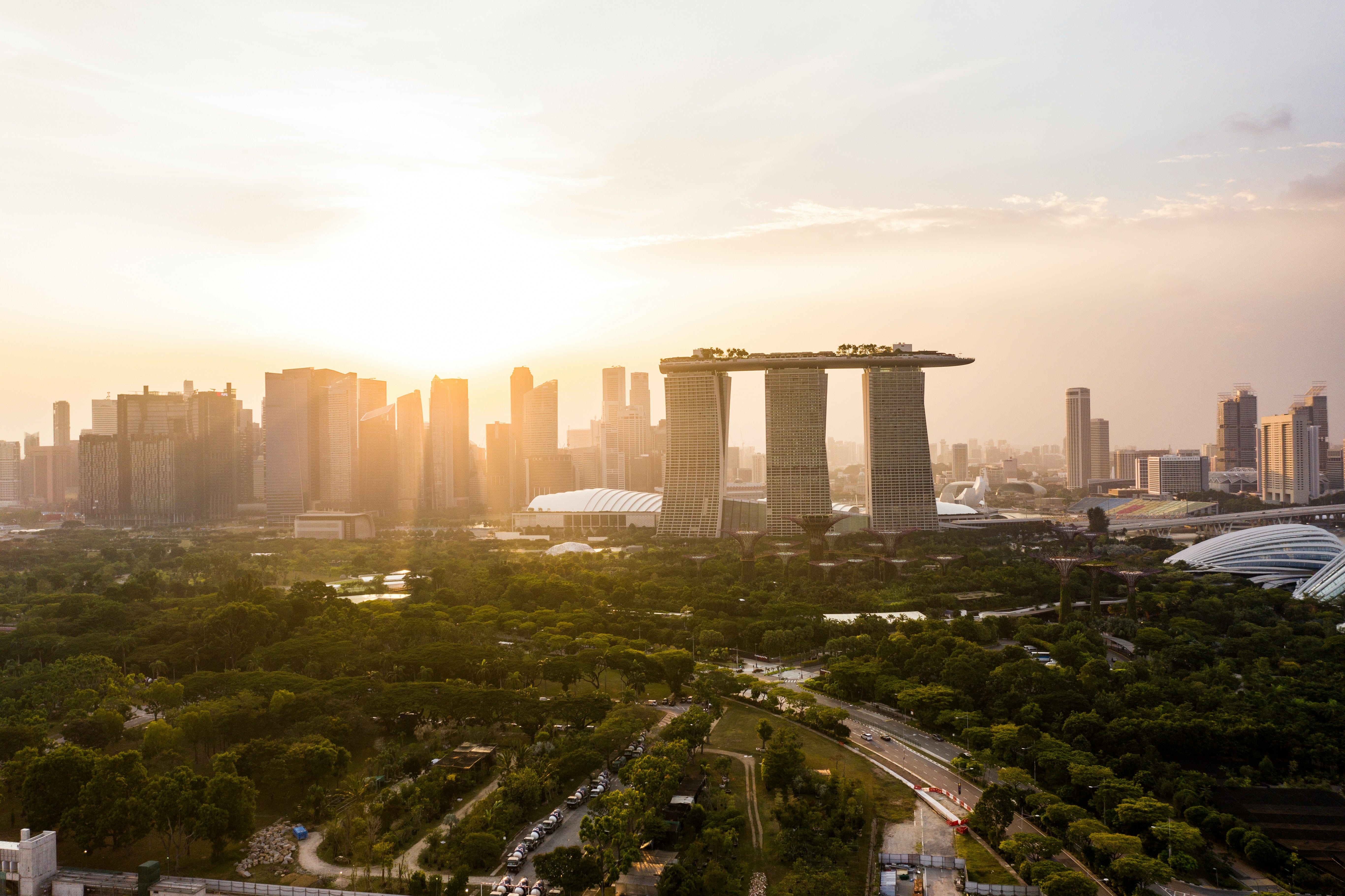
The next morning, I awoke with a newfound vigor and sense of exploration. After munching on delicious kaya toast, I headed downtown to see one of Singapore’s most famous attractions – Gardens by the Bay. Nodding to the city’s efforts to enhance its greenery, this urban nature park boasted the world’s largest glass greenhouse, housing 1.5 million plants from around the world.
In between hopping around the different gardens, I took breaks, plopping down on a bench to read Garden City.
Each word I read jumped off the page and marked itself into the Singapore landscape.
In Part 3 of his book, Comer talks about how the new heavens and new earth will be a Garden City, “a city with walls and gates and streets and dwellings and a river and a forest and culture.”
Singapore is famously known as the “Garden City,” the result of Prime Minister Lee Kuan Yew’s efforts in the 1960s to transform the country’s industrialized concrete urban jungle into a “clean and green” environment.
Taking a second to look up, I was convinced that Singapore embodied a piece of Comer’s words.
Nature overwhelmed and towered over all of us, tourists and residents alike, with each tree shooting up to the sky and defying gravity. Each person, no matter who they were, at that moment, was deemed small and insignificant, quieting down all self-inflated egos into a state of humility and wonder.
As I spent the week wandering the streets of Singapore, the country’s claim to the name became increasingly justified. It didn’t matter what neighborhood I was in – whether the business district or a residential one. Every street was lined with paved trees, all well taken care of and watered. There was no lack of green, and the collective greenery effectively claimed dominance that this was their land to grow and cultivate.
And even still, within this forest, existed an interesting juxtaposition. The urban jungle of the country was not lost, as skyscrapers sprouted alongside the trees. Businessmen and women milled around the city, chatting on their phones, donning smart suits and briefcases. Street vendors hustled in the humidity, ready at a minute’s notice for any potential customers.
There is no shortage of work in this country, especially as Singapore grows into the premier location of choice for overseas tech companies’ APAC headquarters.
It’s not solely a garden, and it’s not purely a city. But it is carefully architected as a garden city that promotes both rest and work, nature and urbanization, together in one land.
As someone who has lived both in the San Francisco Bay Area and New York City, Singapore opened my eyes to the possibility that nature can live alongside urbanization. And that helps me to picture God’s vision for the future heavens and Earth.
Isaiah 65:17-23 clarifies what will happen in this 2.0 version of “life.”
“See, I will create new heavens and a new earth. The former things will not be remembered, nor will they come to mind. But be glad and rejoice forever in what I will create, for I will create Jerusalem to be a delight and its people a joy… They will build houses and dwell in them; they will plant vineyards and eat their fruit . . . my chosen ones will long enjoy the work of their hands. They will not labor in vain, nor will they bear children doomed to misfortune; for they will be a people blessed by the LORD.”
A place where we work, and yet, we are not overcome by work, because we have physical reminders that we are living in God’s creation. We’re also not subject to the futility and fruitlessness of work, traits that we might experience in the here and now, because we are promised fruit and enjoyment.
A place where we rest, and yet, we are not withering away in idleness and dormant potential. We are given opportunities to cultivate and grow the land, resuming God’s original plan for the Garden of Eden. Though homeownership is a faraway dream for many of us, in heaven, we’ll be able to build our own houses and not have to worry about rising rent prices! We’ll get to plant all of our favorite fruits, and most likely be invited into a meaningful vocation.
Comer elaborates, “When you think of Eden, don’t think of a public park with a lawn, a play set, and a flowerbed or two, where God hands Adam a lawnmower and says, Keep it tidy, will ya? Think of a violent, untamed wilderness teeming with beauty, but no infrastructure, no roads, no bridges, no cities, no civilization, and God says, Go make a world. Adam wasn’t a landscape-maintenance employee. He was an explorer, a cartographer, a gardener, a designer, an architect, a builder, an urban planner, a city-maker.”
Needless to say, Singapore became one of my most treasured trips. Not only was it a place for rest and renewal after an exhausting few months of ministry, but it also set in motion a new understanding and anticipation for our future lives in God’s prepared Garden City.
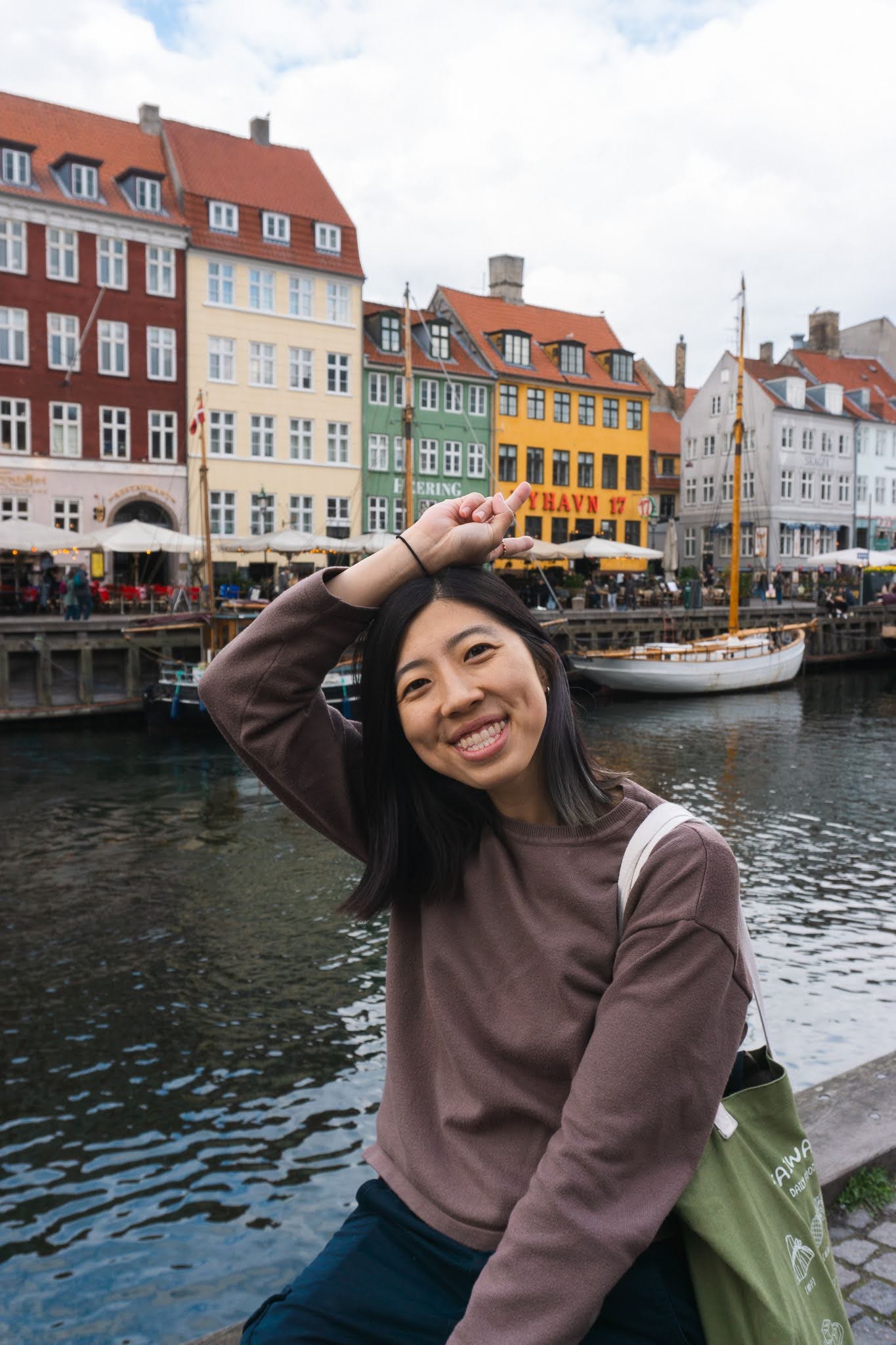
Serena Wang is an entrepreneur, missionary, and writer based in Taiwan. Over the past decade, she has worked as a product marketer at Google, an entrepreneurship coach at an anti–human trafficking nonprofit, and a barista in New York City coffee shops. She has learned to surrender each day and every step of her journey to God, including her career path, and spends her time enjoying basketball, coffee, board games, and the gift of unhurried moments. Her upcoming book, “The Scam of Meaningful Work,” will be released in January 2027 with IV Press. To follow along, you can subscribe to her Substack or follow her on Instagram.
Looking for more ways to support Redbud Writers Guild?
Pray for us as we write, speak, teach, create, and influence culture and faith in our communities as we follow Jesus
Subscribe to our members’ individual Substacks—click here for the full list of our members’ publications
Reach out to a few of our members with encouragement—go here for our full member directory
Buy our members’ books—check out the latest titles in our guild store
Subscribe to and share The Hyphen with your friends
Give a tax-deductible gift, which allows us to offset costs for our Women of Color Mentoring Program, fund member scholarships for writers facing financial challenges, and make it possible for us to continue to foster conversations on faith, writing, and culture through podcasts, social media, and The Hyphen.
Thank you for supporting the women of our guild.
 | A guest post by
|
I love this window into the Garden City we can anticipate in the future. Definitely adding Singapore to my list of cities to visit too! Thank you for making it come alive in such a vivid way! 🦋
Adding Singapore to my bucket list. :) I loved Garden City, but seeing it through this lens and this light makes me want to re-read!